UNLIMITED ACCESS TO OVER 400 HISTORIC PLACES
Live and breathe the story of England at royal castles, historic gardens, forts and defences, world-famous prehistoric sites and many others.

Commanding the shortest sea crossing between England and the continent, Dover Castle has a long and immensely eventful history. Known as the ‘key to England’, this great fortress has played a crucial role in the defence of the realm for over nine centuries, a span equalled only by the Tower of London and Windsor Castle.
Find out more about Dover Castle’s history below.
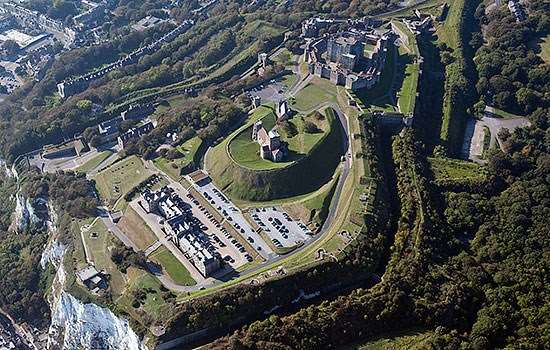
Learn about the long history of the castle, from its likely origins as an Iron Age hillfort, through its development as a great fortress, to its secret role in the Cold War.

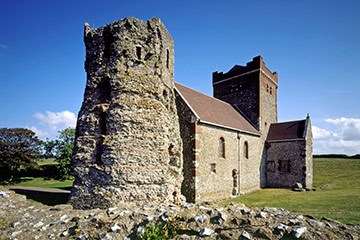
The Dover pharos is the most complete standing Roman building in England, and one of only three Roman lighthouses to survive from the whole of the former Roman Empire.
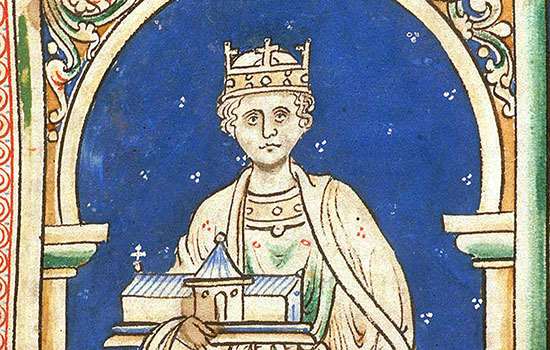
King Henry II, who built Dover Castle’s great tower, also created the largest European empire of his age, stretching at its height from Scotland to the Pyrenees.

Discover why Henry II spent a fortune on Dover Castle – not to protect his kingdom, but to save face after the murder of Thomas Becket by Henry’s own knights ten years earlier.

Read about the two sieges of Dover in 1216 and 1217 during King John’s reign, and the circumstances that gave rise to this attack.

Caught up at the centre of a civil war, Eleanor de Montfort held Dover Castle against the king in 1265 after her husband and eldest son were killed in battle.
Throughout the First World War, Dover harbour was one of the main links in the chain supplying Britain’s armies in Europe. Thousands of soldiers came to the area to defend the port at all costs, with their headquarters at the castle.
During the Second World War Dover was again on the front line, against attack from both air and sea. From 1939 the tunnels in the cliffs beneath the castle housed the command centre for naval operations in the Channel, and it was from here that the extraordinary evacuation of the British Army from Dunkirk was masterminded in May and June 1940.
Read more about Dover’s role in the Second World War – and watch this short film to see how English Heritage has restored an anti-aircraft gun used in the First World War and now at Dover Castle, where identical gun batteries were used to see off German Zeppelins.

Use our virtual tour to explore a building at Dover Castle that played a vital role in safeguarding Dover as a garrison and naval base in the First World War.
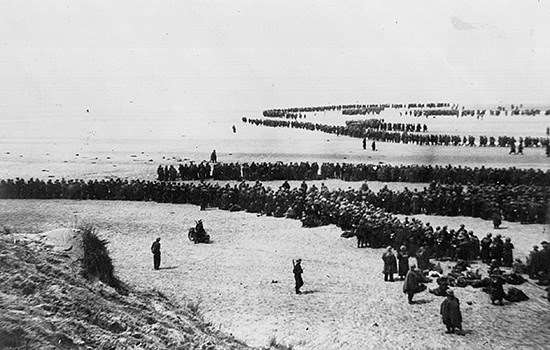
Find out the key facts about Operation Dynamo, the near-miraculous evacuation from Dunkirk in 1940, which was controlled from Dover Castle.
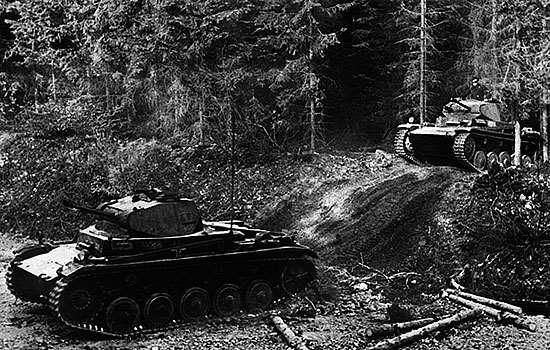
On 22 June 1940 the French government surrendered to Hitler, just six weeks after the Germans’ initial advance westwards. Find out why France collapsed so quickly.
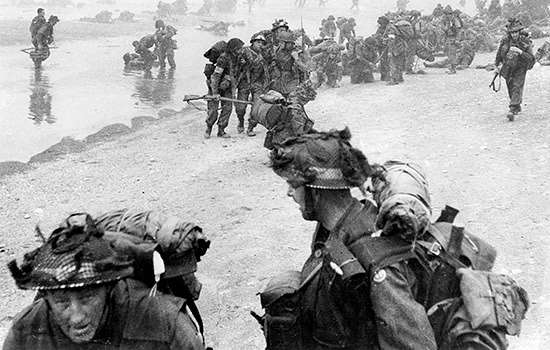
In 1944, Dover Castle’s tunnels played a supporting role in an elaborate deception that concealed the true location of the D-Day landings from the Germans.

Read some of the personal stories of what it was like to work in the tunnels beneath Dover Castle in the gruelling, hot days of May and June 1940.
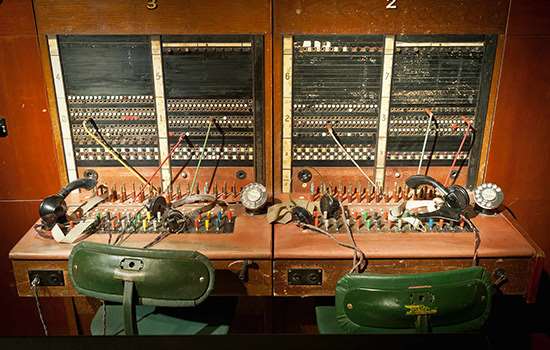
From weapons and technology to uniforms and personal possessions, these objects provide a glimpse into the lives of those who served in the castle’s tunnels.

Packed with plans, reconstructions and historic images, this guidebook tells the story of how the castle’s defences were adapted to meet the needs of modern warfare right up to the Cold War.

Download these PDF plans of Dover Castle to see how this great fortress has evolved over time.

This guidebook tells the story of how a network of tunnels, first cut within the white cliffs during the Napoleonic Wars, played a vital role in Britain’s defences in the Second World War.
Massive earth ramparts and ditches are constructed, which will provide the foundation for the medieval castle's curtain walls. Regular cross-Channel trading takes place.
The Romans build a lighthouse here to guide ships into the harbour, the base of the fleet patrolling the Channel.